Now Reading: Leica R8 + Digital Module R — A Hybrid Classic Reborn
-
01
Leica R8 + Digital Module R — A Hybrid Classic Reborn
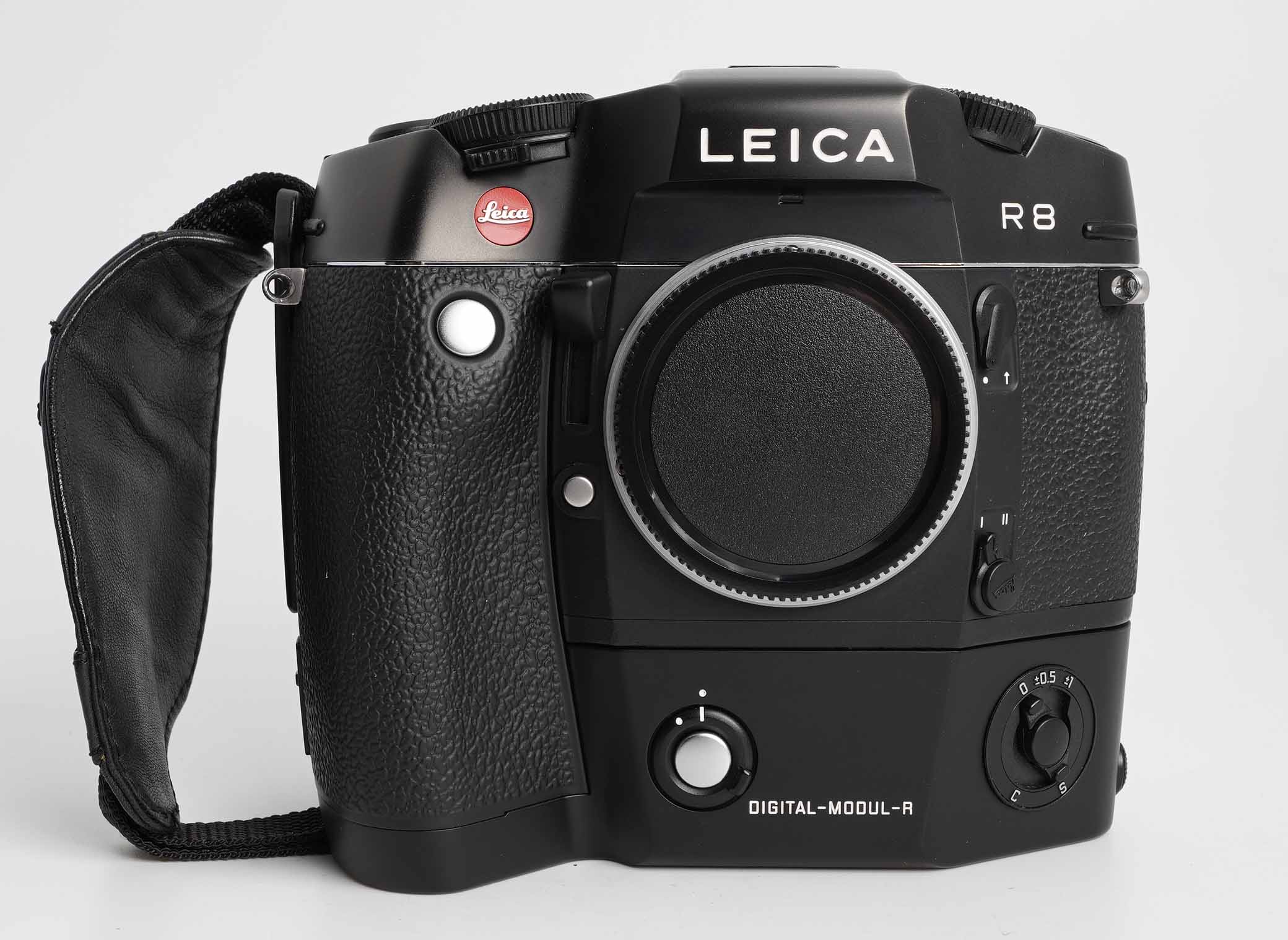

Leica R8-R9 Digital Back Leica 14 439
There are cameras we use.
And there are cameras that transform us.
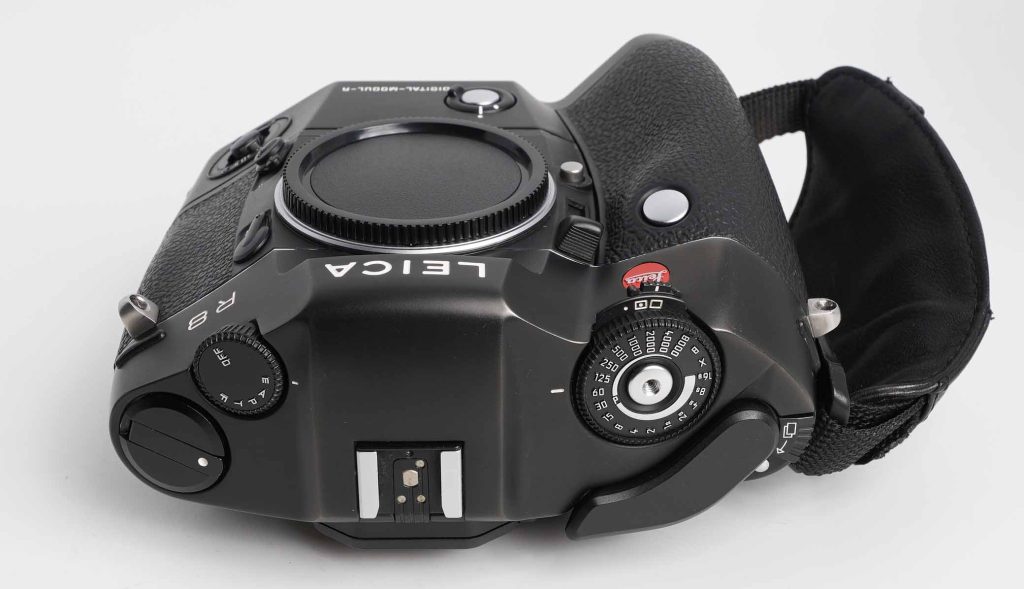
This is the second.
The Leica R8 was already remarkable as one of Leica’s last 35 mm SLRs — a mechanical and ergonomic landmark designed without Minolta involvement and introduced in 1996 at Photokina. It stands apart in the history of rangefinder makers moving into SLR territory.
But what happened when you attached the Digital Module R to it was something even more fascinating — turning an analog film classic into a digital camera hybrid long before “mirrorless” was a buzzword.
What Is the Digital Module R?
Leica’s Digital Modul R (DMR) is a truly unique digital back that transforms the R8 (and R9) into a digital SLR without sacrificing the original body and lenses. It clips onto the back where film ordinarily goes, embedding a 10 MP CCD sensor developed with Kodak and Imacon.
This makes the R8 one of the very few 35 mm SLRs in history to accept a user-installable digital back — a concept virtually unheard of in 35 mm photography.
Familiar Controls — Lived-In Intuition
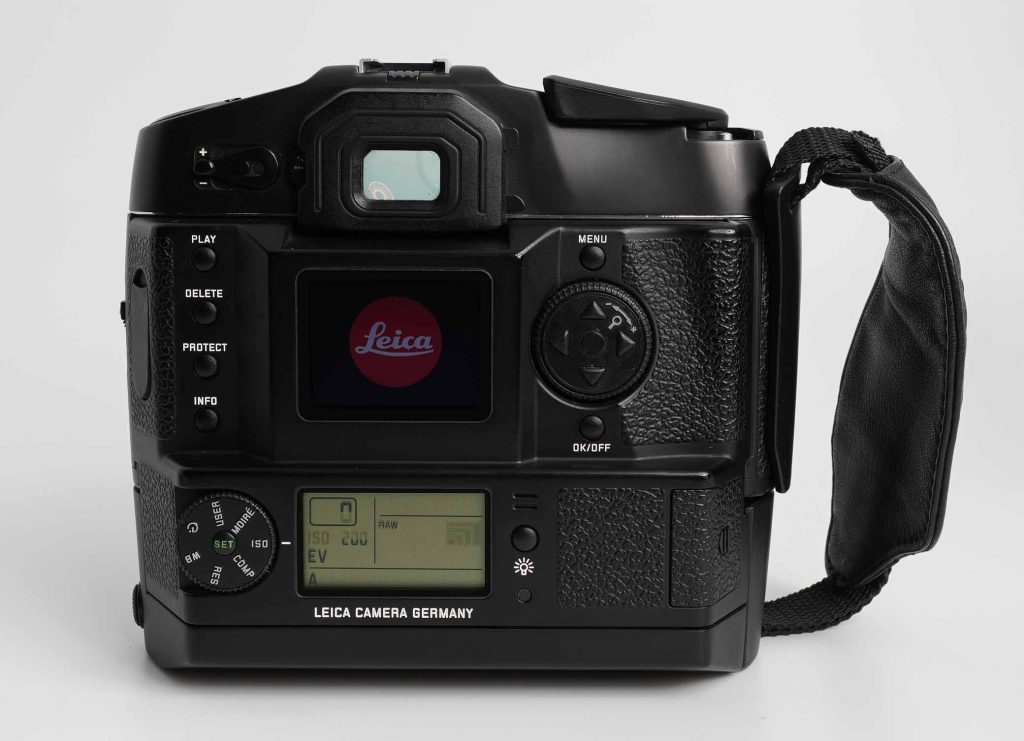
On switching to digital mode, you are greeted by buttons and menus that feel wonderfully familiar if you’ve ever used a Leica M8 — with a similar visual layout, physical control logic, and an LCD interface that Leica designed to be intuitive to photographers who already knew their digital ergonomics. (User experiences from early owners report this similarity quite strongly, blending Leica’s tactile heritage with a digital workflow.)
It’s a rare feeling: picking up what is visually and physically similar to a classic Leica film body, but with a menu that clearly belongs to a digital Leica system — an elegant bridge between two eras.
The Roots of Its Limits — But Also Its Character
The DMR was built in an era where SD cards hadn’t yet grown beyond tiny capacities, and Leica’s firmware at the time supported SD cards up to 2 GB — the practical maximum for reliable operation.
Modern high-capacity cards often simply won’t work — if you insert a 4 GB card, the module often refuses to power up or recognize storage properly. This isn’t a bug — it’s a hardware and firmware reality from the time. On my own unit, I almost thought something was wrong… until I found an old 1 GB SD card, and like magic the camera sprang to life.
This quirk is not a limitation so much as a time capsule — a digital fingerprint of the era in which this hybrid was born.
Physical Presence — Solid, Serious, and Beautiful
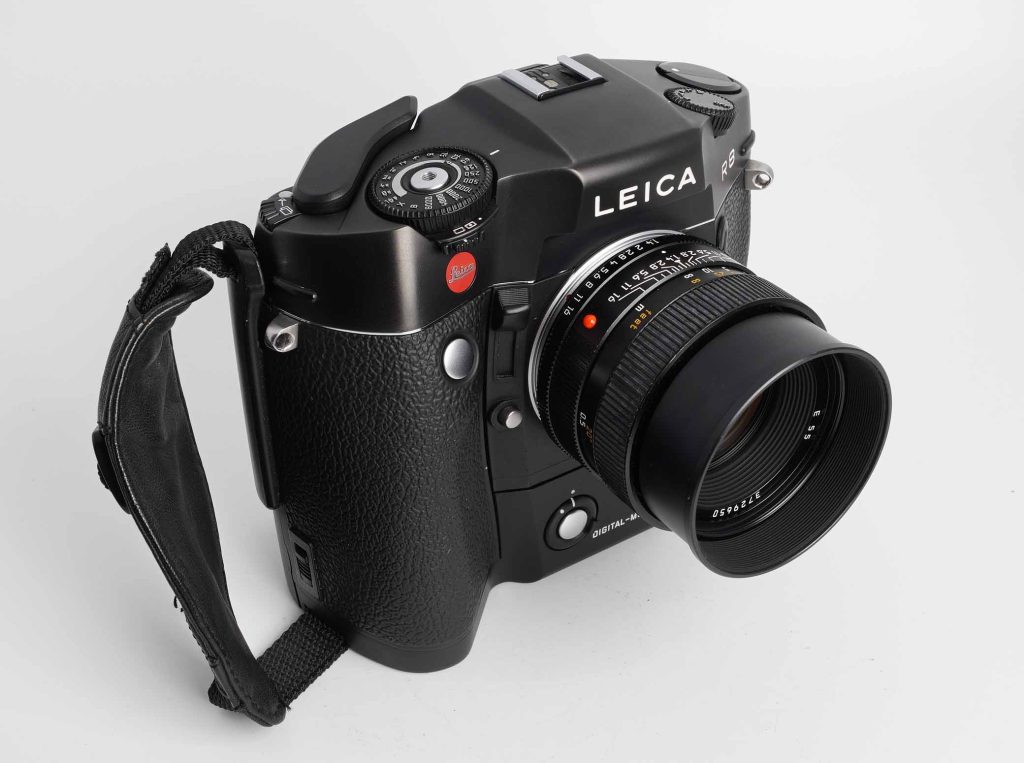
Mounting the Digital Module R to the Leica R8 gives you a feel akin to putting on a precision instrument built for decisive action. The body suddenly feels more substantial, heavier, and deeper — not bulky, but seriously engineered, like a vintage race car with modern electronics tucked inside.
It’s nothing like today’s ultra-light mirrorless designs. It’s a machine you hold, not just carry — and that solidity contributes to how you photograph with it.
My First Shoot — From Amazement to Insight
The first time I pressed the shutter with this combo, something unusual happened: I wasn’t just taking photos — I was experiencing them.
The DMR’s 10 MP CCD delivers files with an unmistakable character — rich tonality, depth, and an organic rendition that feels like film itself, yet with the immediacy of digital. The menu doesn’t flash like a modern touchscreen; it whispers options with purpose. The buttons click with substance.
It’s analogue heritage speaking through digital voice.
Why This Hybrid Still Matters
Today, interchangeable digital backs and modular cameras are niche even in medium format. In the 2000s, the idea of making a film SLR truly digital without modifying the original camera body was visionary.
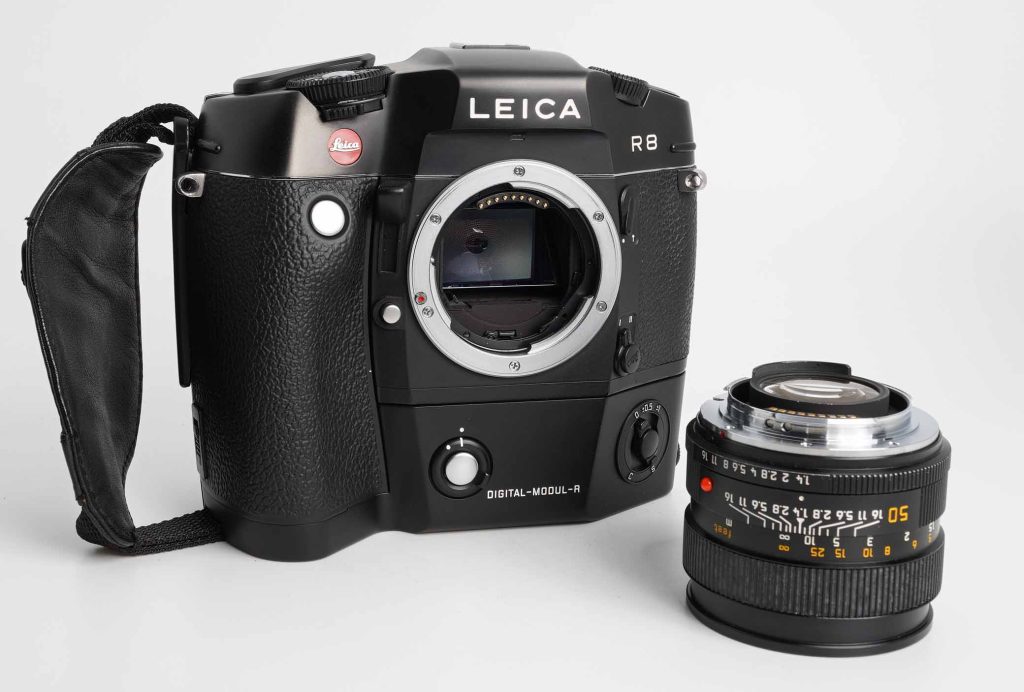
The Leica R8 + Digital Module R is more than a hybrid — it’s a historical artifact, a design answer to the future while rooted in tradition.
It is:
- Digital photography before digital was mainstream
- Leica engineering unrestrained by format
- A rare physical embodiment of analogue + digital synergy
And yes — it requires old SD cards, and that limitation just makes it more charming.
Final Thought
This is no ordinary “film camera turned digital.”
It’s a Leica that refuses to sit quietly in the past, and yet doesn’t forsake its soul.
Owning and using one feels less like operating gear, and more like continuing a conversation between craft and innovation.