Now Reading: Arsenal Kaleinar-5N 100 mm f/2.8 (Early Version) SN810002
-
01
Arsenal Kaleinar-5N 100 mm f/2.8 (Early Version) SN810002
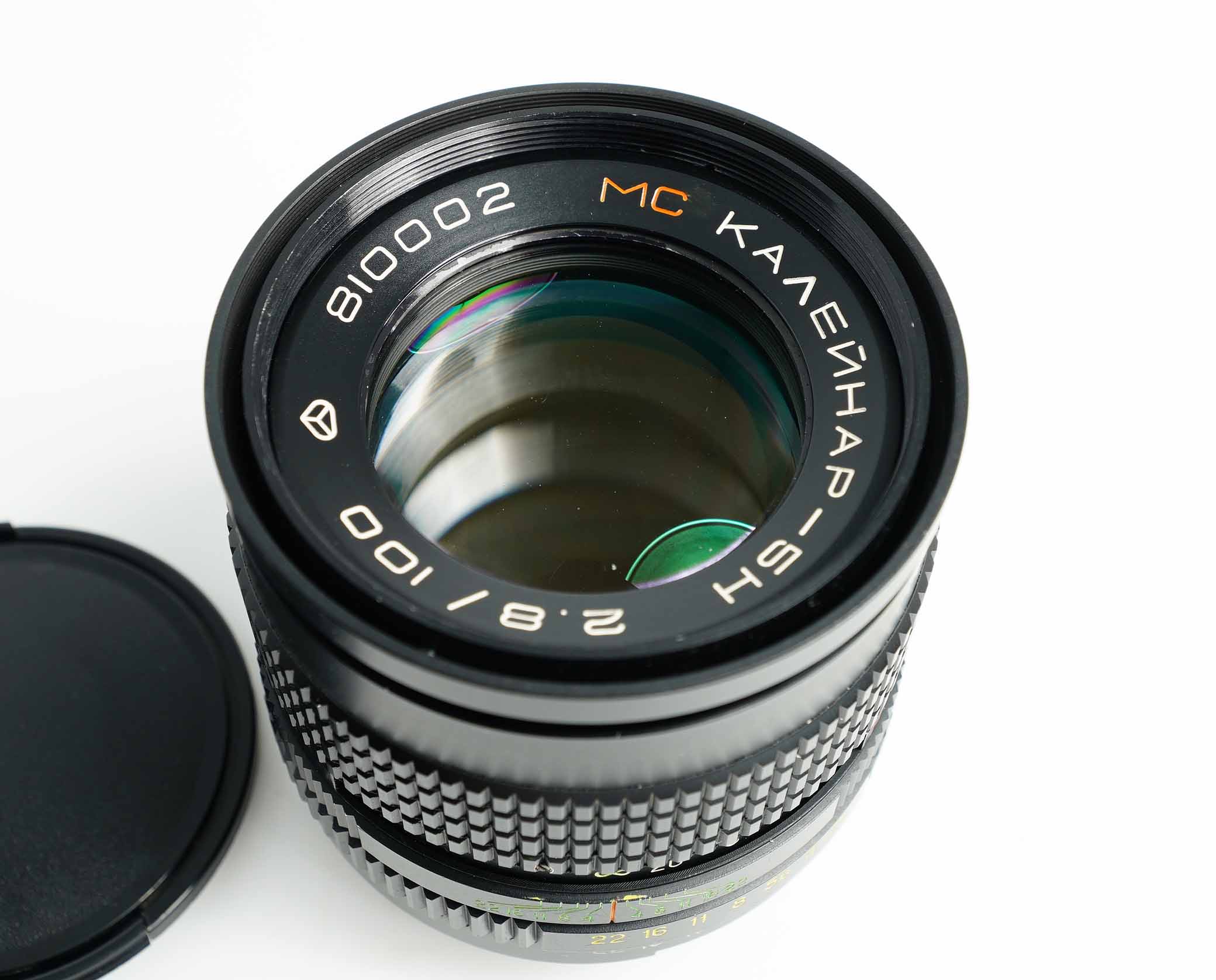

Arsenal Kaleinar-5N 100 mm f/2.8 (Early Version) — Soviet Portrait Lens with Character and Built-in Hood
The Arsenal Kaleinar-5N is one of those Soviet telephoto lenses that photographers discover not because they’re chasing the latest optical charts, but because they want a distinctive character in portrait and creative photography.
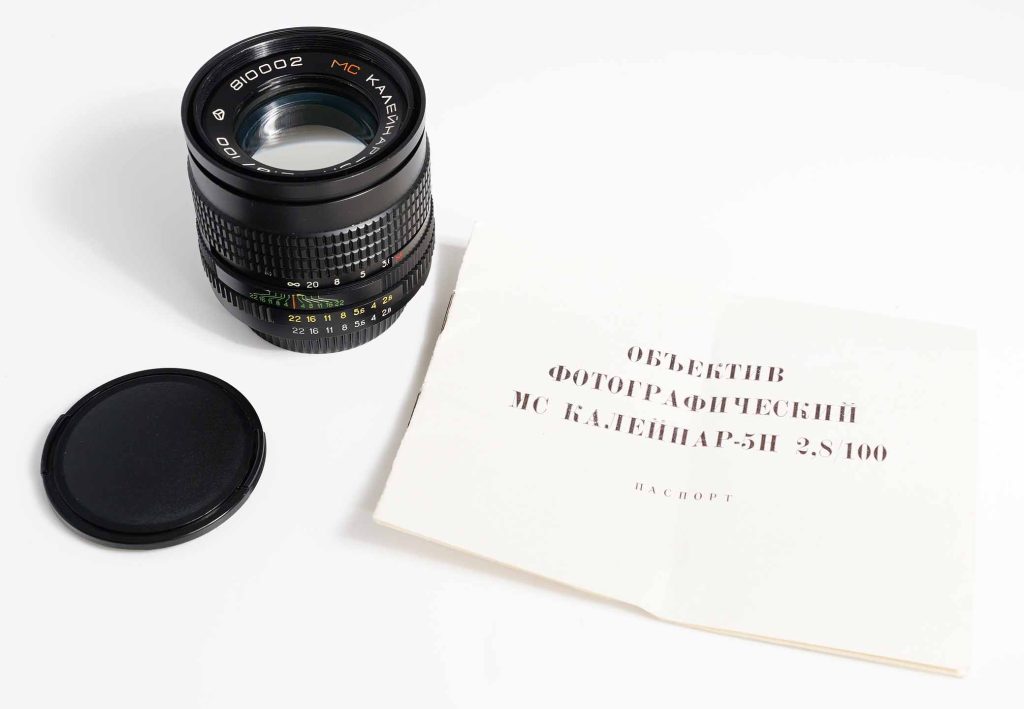
Produced on the Kyiv Arsenal factory, this 100 mm f/2.8 was a standard portrait optic for Nikon-mount SLRs in the USSR, built in a period when mechanical simplicity and solid construction were key goals of design.
Basic Specs (based on documented sources)
- Focal Length: 100 mm (standard portrait range)
- Maximum Aperture: f/2.8
- Minimum Aperture: f/22
- Mount: Nikon F (manual, AI / pre-AI depending on version)
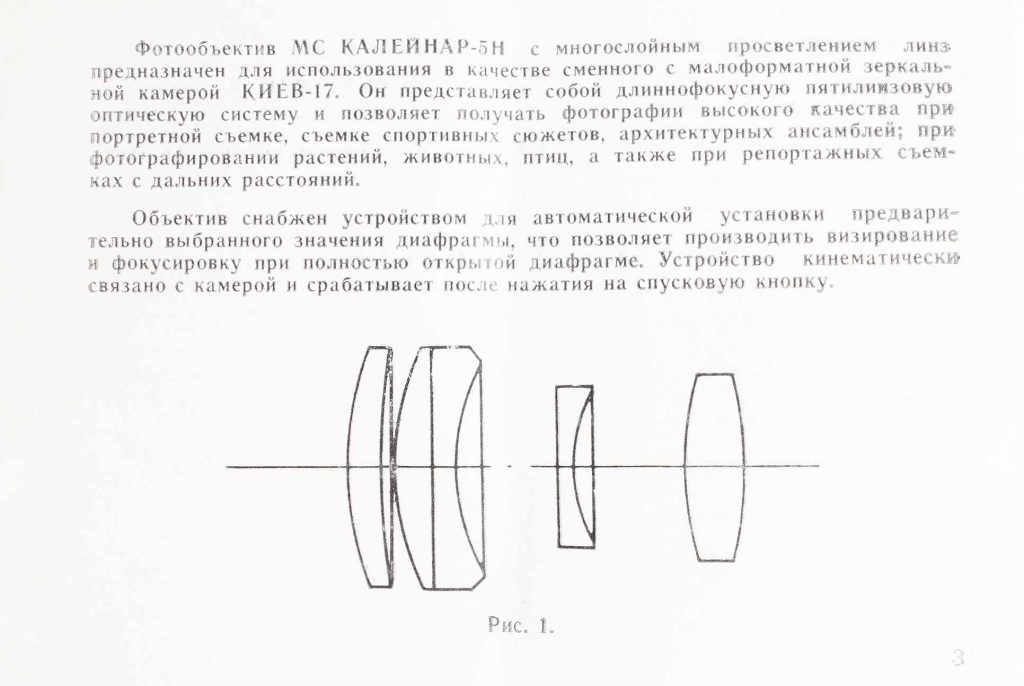
- Optics: 5 elements in 4 groups (multiple sources)
- Diaphragm Blades: 6
- Closest Focusing Distance: ~0.8 m
- Filter Thread: 52 mm
- Weight: ~380 g
Built-in Hood: yes — this version includes an integrated metal hood, typical for the later period of its production run.
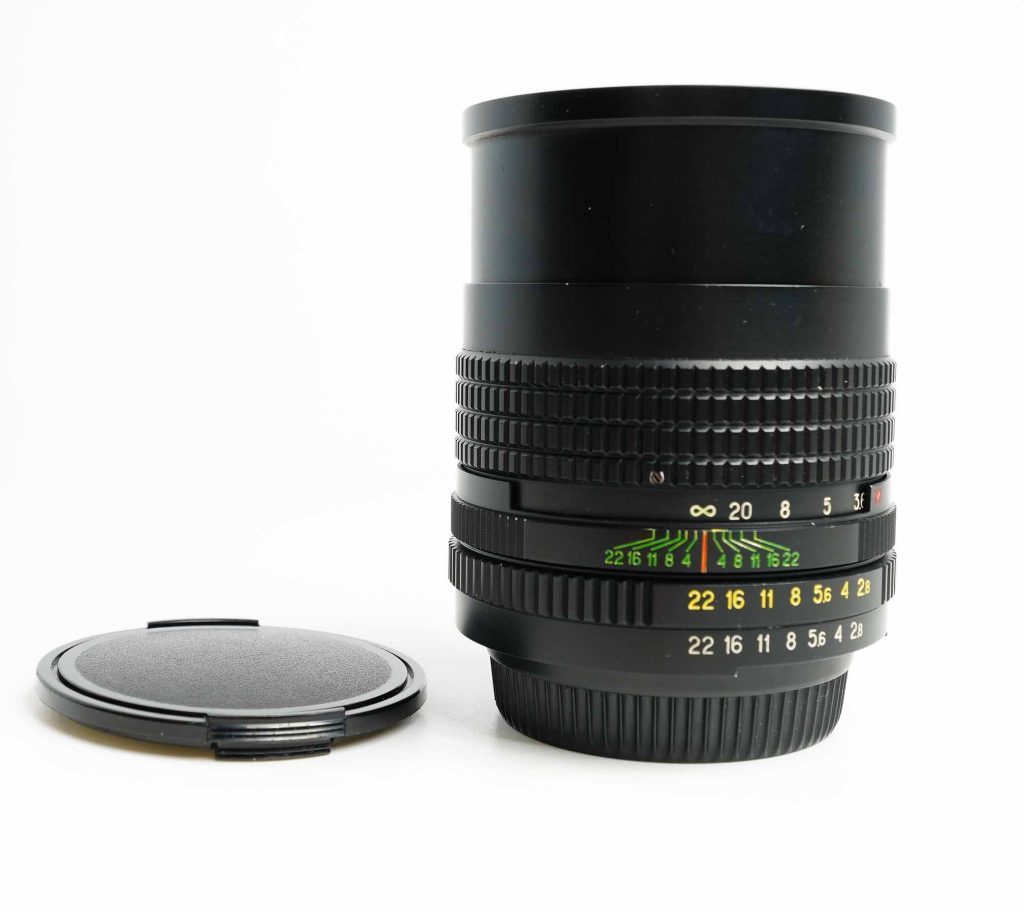
This combination makes the Kaleinar-5N a classic manual portrait lens: modest in size, not overly heavy, but with a purposeful build and tactile control that many photographers enjoy.
Build & Mechanics
One of the first things you’ll notice holding an early version of this lens is the mechanical feel — the focus ring turns with deliberate resistance, and the aperture ring clicks satisfyingly between stops.
A distinctive physical trait of early Kaleinar-5N units is the color of the engraved scales:
green and yellow markings on the distance and aperture scales — characteristic of the early batches, setting them apart from later copies where the engravings often appear in a more common orange color. This visual detail doesn’t affect image quality, but it does make the lens easier to identify and appreciate as an early production piece.
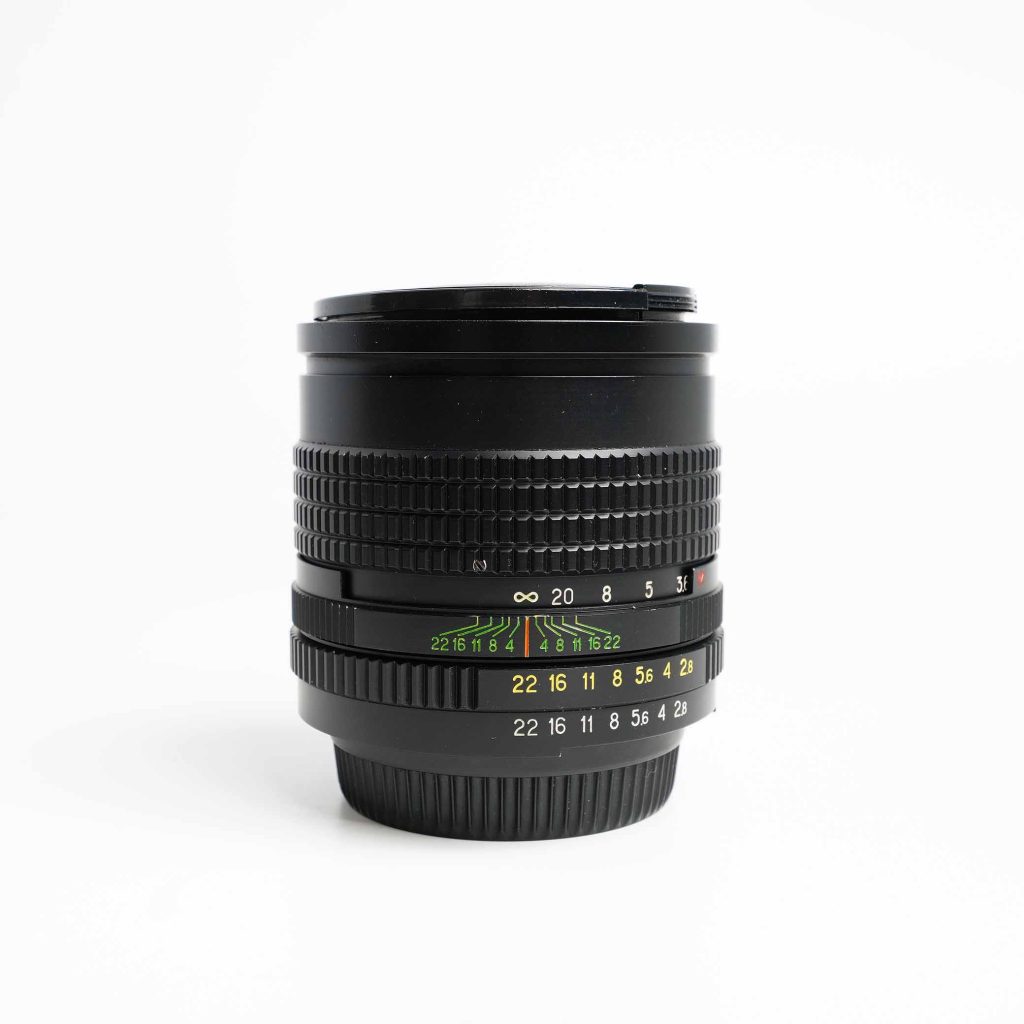
The lens also features a built-in hood — a practical advantage that helps control flare and protects the front element without needing a separate accessory.
Image Rendering
This is a manual lens with manual focus and no electronic communication — so all exposure control and focusing are done by the photographer. In return, you get a rendering style that is quite different from modern glass:
Contrast: moderate, with a slightly softer look at wide apertures
Sharpness: good at center-frame when stopped down to f/4–f/5.6, softer wide open
Bokeh: smooth and pleasing — often described as one of the lens’s strengths for portraits
Color & Tonality: warm, classic character that blends nicely with film or digital adapted work
It doesn’t strive for clinical resolution. Instead, it produces images with personality and atmosphere, which is exactly why many photographers still use it today.
Practical Use
The 100 mm focal length combined with f/2.8 makes this a good choice for:
- Portraiture — flattering compression and smooth background separation
- Outdoor and street portraits — useful reach without bulky size
- Creative work on film or adapted mirrorless cameras — results depend on photographer control, not autofocus
Because the lens is manual, teaching yourself its focus and field characteristics becomes part of the creative process — something many enthusiasts appreciate in vintage glass.
Final Thoughts
The Arsenal Kaleinar-5N from the early production runs isn’t a modern masterpiece of optical engineering — but it’s exactly what it was meant to be: a robust, characterful portrait lens from a unique era of Soviet manufacturing.
Its green and yellow scale markings and built-in hood are not just cosmetic quirks — they are historical signatures of the early Arsenal design choices. The lens delivers imagery that feels alive, with a distinct feel and personality that digital-perfect lenses rarely match.
For photographers interested in vintage optics with mechanical soul and visual character, the Kaleinar-5N remains a lens worth exploring.